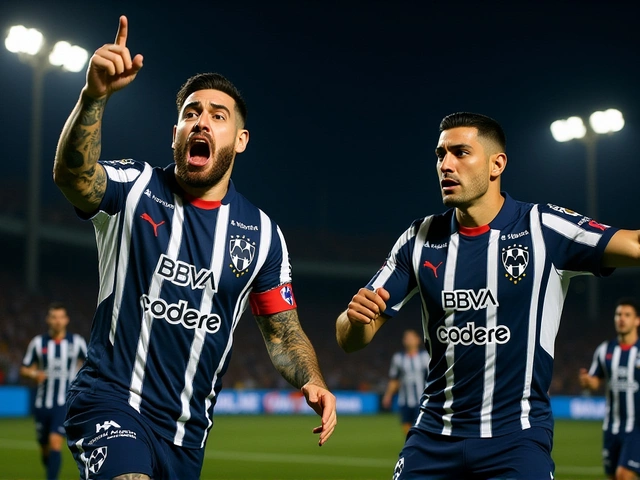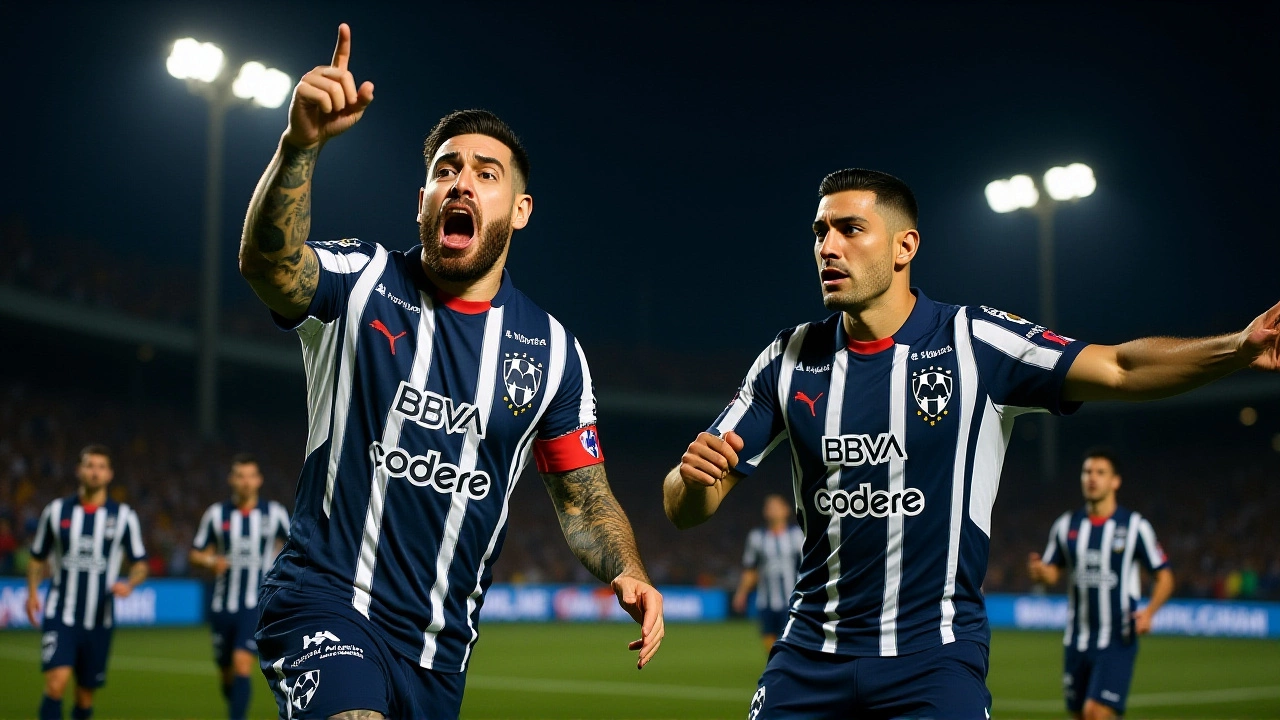
It wasn’t just another loss. It was the kind that lingers — the kind that makes a 38-year-old legend, once the rock of Real Madrid and Spain’s defense, sit alone in a locker room and whisper, 'It hurts because it matters to us.' On November 27, 2025, CF Monterrey fell 2-1 to archrival Tigres UANL in the 132nd Clásico RegioEstadio Universitario in San Nicolás de los Garza, Mexico. Two goals in stoppage time — one at 90’, another at 90+5’ — shattered Monterrey’s hopes. And with it, their playoff dreams began to crumble.
The Final Minutes That Broke a City
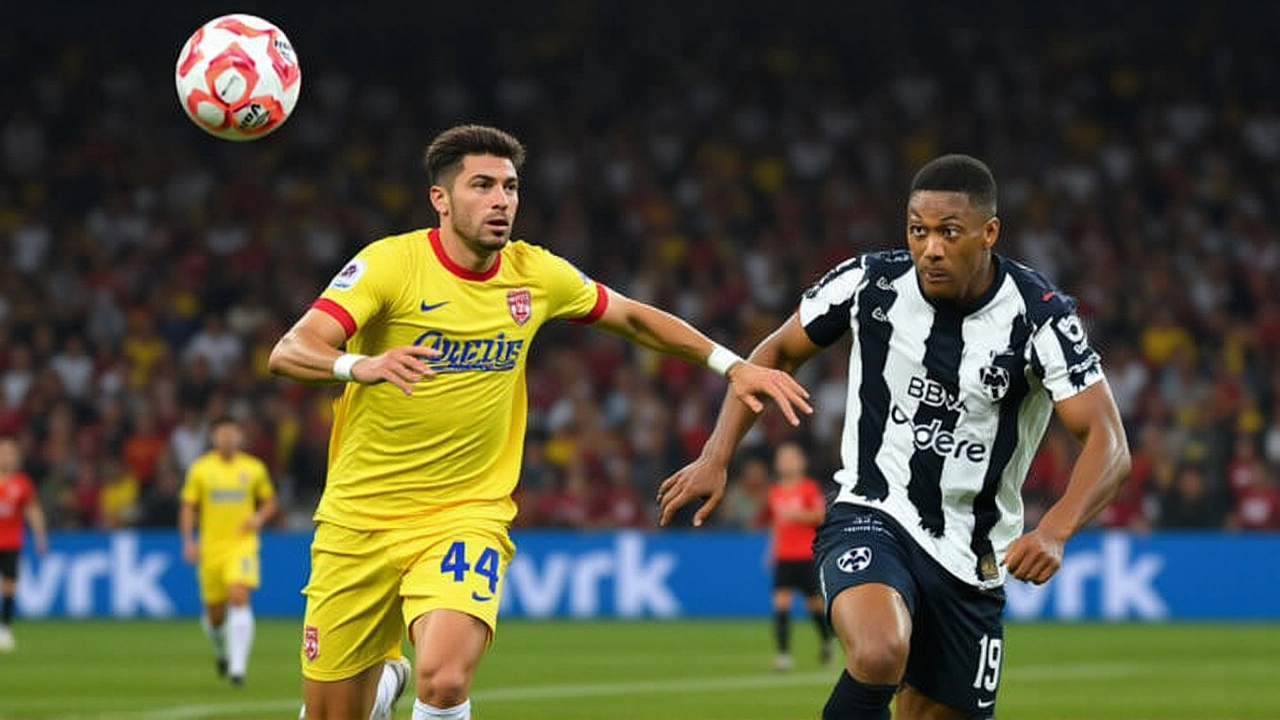
The match was electric from the first whistle. Three red cards flew — two for Monterrey, one for Tigres — turning the stadium into a cauldron of fury and passion. The Sergio Ramos García, wearing jersey #93, equalized in the 72nd minute with a calm, precise penalty. It was his sixth goal of the season, a reminder that even at 38, his ice in his veins hadn’t faded. But then, in the 90th minute, Tigres’ young striker Jonathan Rodríguez — not to be confused with the defender of the same name who scored in the first meeting — pounced on a rebound after a corner, sending the home crowd into a frenzy. Five minutes later, substitute Lucas Zelarayán sealed it with a curler from the edge of the box. Monterrey’s defense, already ragged, collapsed like a house of cards.
“We had it,” said Monterrey midfielder Diego Lainez afterward. “We had the momentum. We had the crowd. And then… silence.”
Ramos’ Message: More Than Words
After the final whistle, Ramos didn’t head straight to the tunnel. He stood on the pitch, hands on hips, staring at the scoreboard as fans booed and others clapped — some in respect, others in frustration. He removed his jersey, kissed the crest, and handed it to a young boy in the front row. Later, he posted a simple message on Instagram: “It hurts because it matters to us.”
That line didn’t just go viral in Mexico. It became a mantra for fans of both clubs. For the first time in years, a player from Europe’s elite was speaking the language of Mexican football — not as a star on vacation, but as someone who felt the weight of the rivalry. Ramos joined Monterrey in July 2023 on a $10 million annual contract, a move that stunned the football world. But he didn’t come for the paycheck. He came for the fire.
“He’s not just playing here,” said Manuel de la Torre, a longtime Tigres fan and radio host. “He’s fighting here. And when he loses, he loses like a man who’s bet everything on this club.”
Playoff Dreams on Life Support
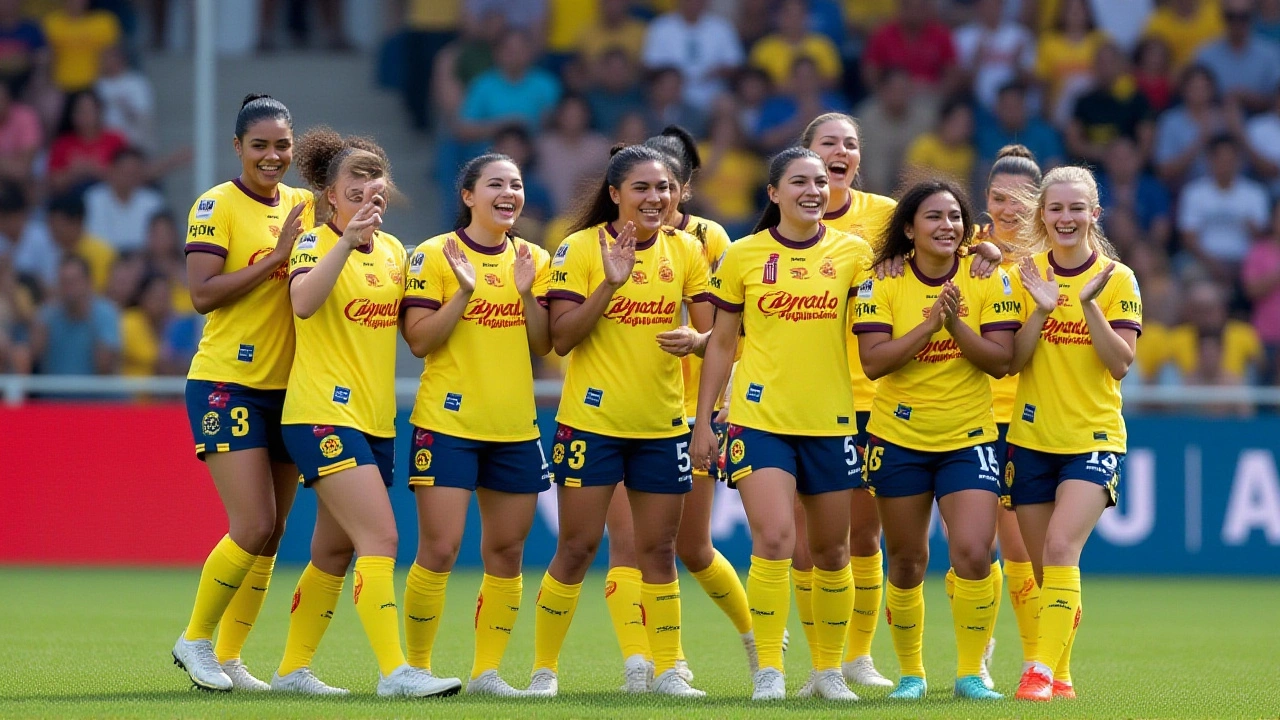
Before the match, Monterrey sat seventh in the Liga MX Clausura 2025 standings with 31 points from 16 games (9 wins, 4 draws, 3 losses). After the loss, they tumbled to ninth — two points behind eighth-place Mazatlán FC, and tied on points with seventh-place Club América’s rivals, C.F. Pachuca. Only the top eight qualify for the Liguilla. With just four matches left, Monterrey’s goal difference (+6) is a razor-thin margin. One slip, and it’s over.
This isn’t just about points. It’s about legacy. Monterrey has won five Liga MX titles since 2009. They’ve reached two CONCACAF Champions League finals. To miss the playoffs now — after signing Ramos, after investing in youth, after nearly reaching the 2025 FIFA Club World Cup — would be a gut punch.
And the timing couldn’t be worse. Monterrey lost 2-1 to Cruz Azul on November 23, then fell to Toluca in a two-leg Copa MX tie on November 20. Three straight defeats. No goals in 270 minutes of play. The team’s rhythm is gone. The defense, once disciplined, is leaking.
A Rivalry Built on Blood and Pride
The Clásico Regio isn’t just a game. It’s a cultural earthquake. Two clubs, born less than 20 miles apart in Nuevo León — Monterrey’s Rayados in Guadalupe, Tigres’ UANL in San Nicolás — separated by geography but united by hatred. Their first meeting? August 10, 1974. Since then, 131 matches have been played. Tigres leads the head-to-head, 51-47, with 34 draws. This match was the 132nd. And it was brutal.
“You don’t play this game for stats,” said former Tigres captain Andrés Guardado on his podcast. “You play it because your father watched it. Your brother screamed at the TV. Your kid cries when you lose. That’s why Ramos said what he said. He gets it.”
Monterrey’s home ground, Estadio BBVA, is modern. Sleek. Air-conditioned. Tigres’ Estadio Universitario? It’s old. Loud. Concrete. The stands shake when 40,000 fans sing. And on November 27, it shook with the sound of a city that refused to let its team fade quietly.
What’s Next? A Race Against Time
Monterrey’s remaining fixtures are brutal: away at league leaders América (December 4), home to Santos Laguna (December 7), away to Pumas UNAM (December 11), and home to Atlético San Luis (December 14). They need to win at least three, and hope for at least two slip-ups from teams above them. Goal difference will decide everything. One goal. That’s all.
Ramos has said he’ll play through injury. He’s got a hamstring strain from the Toluca match, but he’s training daily. “I’m not leaving this club without fighting,” he told reporters on November 28. “Not after what we’ve built.”
For now, the question isn’t whether Monterrey can make the playoffs. It’s whether they still believe they can.
Frequently Asked Questions
Why is the Clásico Regio so intense compared to other Mexican rivalries?
The Clásico Regio pits two clubs from the same metropolitan area — Monterrey and San Nicolás — separated by just 15 miles. Unlike other rivalries that span states or regions, this one is deeply personal: neighbors, coworkers, even family members support opposing teams. The history stretches back to 1974, with over 130 matches and decades of bitter moments, including controversial refereeing decisions and on-field brawls. The emotional stakes are higher because the communities are intertwined.
How has Sergio Ramos’ presence changed CF Monterrey’s dynamics?
Ramos brought leadership, discipline, and global visibility. His experience in high-pressure matches helped Monterrey win crucial games in 2024, including a 3-1 win over Club América. But his influence goes beyond tactics — he’s raised training standards, demanded accountability, and mentored younger defenders like Luis Romo. However, his age and recurring injuries have also exposed depth issues, especially when he’s sidelined. His emotional reaction after the Tigres loss showed how deeply he’s invested in the club’s identity.
What are Monterrey’s realistic chances of making the Liguilla now?
Monterrey needs three wins and one draw from their final four matches to reach 37 points — enough to likely overtake Mazatlán FC and Pachuca. But with only a +6 goal difference, they need to win by at least two goals in at least two matches. They’ve only done that once in their last eight games. Statistically, their odds are below 30%, according to analytics firm Football Manager Insights. But football doesn’t run on numbers alone — and with Ramos still on the pitch, anything’s possible.
Did the red cards in the match affect the outcome?
Yes. Monterrey lost key defenders Julio César Domínguez (red card, 68’) and Diego Lainez (second yellow, 82’), forcing them to play with 9 men for the final 15 minutes. Tigres, despite also losing a player, had more depth and exploited the space. The second red card came after a controversial foul on Tigres’ André-Pierre Gignac, who was already under pressure from Monterrey’s physical defense. The referee’s decision to show a second yellow to Lainez was debated by analysts, with some claiming the tackle was barely outside the danger zone.
What does this loss mean for Ramos’ legacy at Monterrey?
If Monterrey misses the playoffs, Ramos’ two-year tenure will be seen as a noble failure — a star who gave everything but couldn’t overcome structural issues. But if they claw back into the Liguilla, he’ll be remembered as the man who rekindled the club’s fighting spirit. His emotional post-match message already cemented his place in fan lore. Whether he stays for a third year — his contract option kicks in next summer — may depend on whether the club can rebuild its defense and midfield before the 2026 Apertura.
How does this match compare to past Clásico Regio moments?
This match echoes the 2015 Clásico Regio, where Tigres won 3-2 in stoppage time to eliminate Monterrey from the playoffs. Both matches featured late goals, heated tempers, and emotional fallout. But this one was different: Ramos, a global icon, was the emotional center. His reaction — silent, stoic, then deeply personal — made it feel like the end of an era. For many, it was the most poignant Clásico Regio since 2007, when Monterrey’s captain Antonio Naelson collapsed in tears after a last-minute loss.